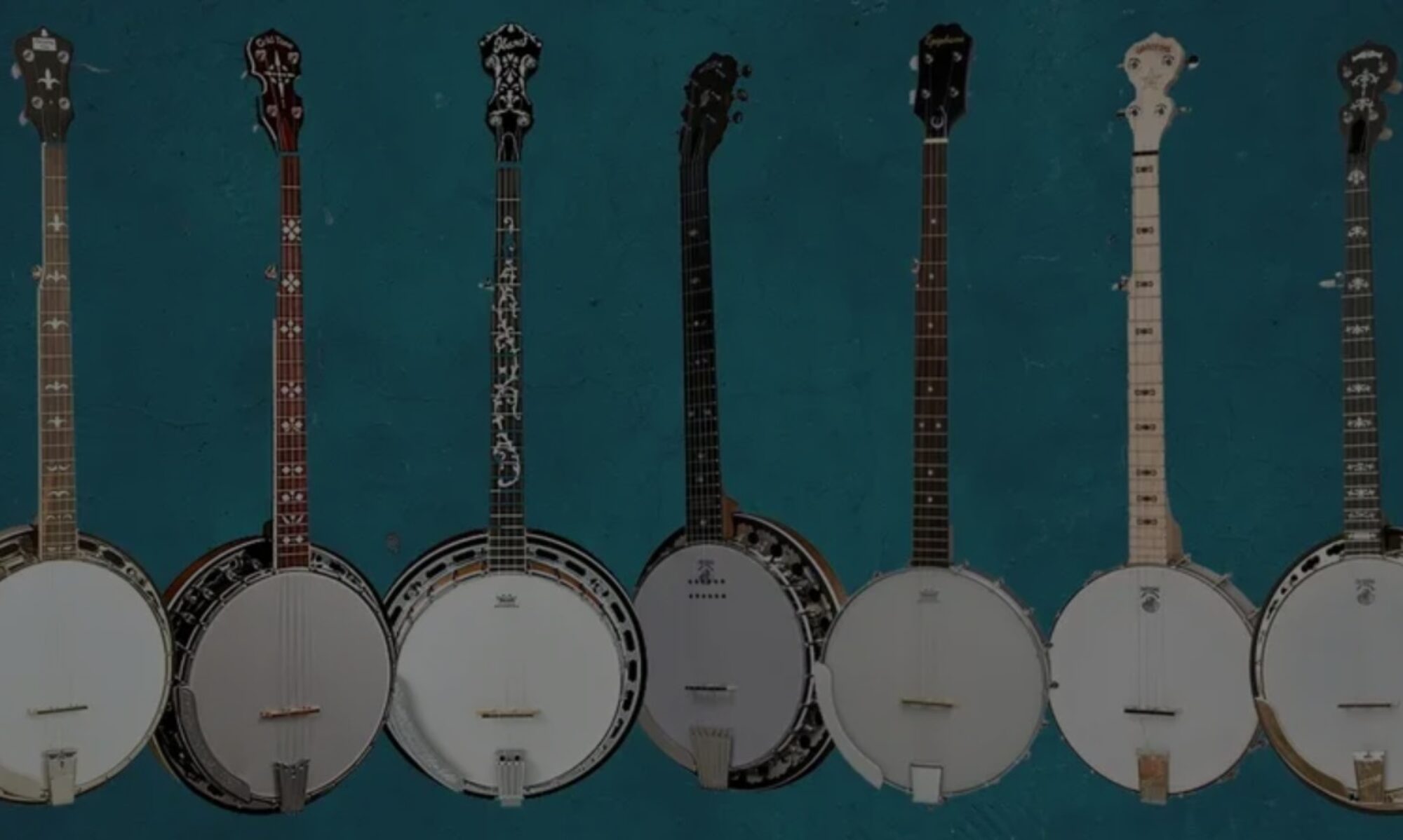
We will separate our website into multiple pages based on the section of the project, for instance we will have separate pages for the proposal, outline, and documentary. We will also have the main blog as the homepage. We will have a page containing a gallery of historical banjos as well as modern banjos, which the viewer can scroll down to get a visual sense of how the instrument has evolved over time.
Our documentary page will have the documentary featured, but we will also include a summary of the contents of the documentary beneath it to provide some background information and a general idea of what will be discussed.
We might also include a page of famous banjo players, each with a short description about the musician’s life and banjo technique as well as an analysis of how their race has played a role in their fame. Most famous banjo players are white. The gallery pages will be included on a sidebar navigation menu, while the project timeline related pages will be linked on the top of the website.
Plan for our Documentary
For the documentary short, we will not be using AI in any way.
We will open the documentary with our introduction, in which we will go over what the American banjo is using a voiceover. This section will show images of the modern popular banjo and pictures of people playing them.
We will then interrupt this narrative with visiting how the banjo became what it is today, its roots in Africa. We will discuss the American Banjo’s origins in Africa, showing historical images and talk about how enslaved people introduced the instrument to the Americas in the colonial era. If we can find any recordings of plantation banjo songs, we can have that playing in the background while we discuss the history.
Next, we will transition to a new section featuring the banjo’s spread to white America and overall appropriation by white people. We will show political cartoons/ images of minstrel shows, discussing racism that was associated with the instrument.
The American Banjo was perceived by most of the population as a low-class instrument and was not taken seriously. It was primarily a way to mock Black culture, rather than to make popular music.
We will discuss the process in which the banjo became accepted into larger society, especially popular with rural white America. We will dive into the value of the American Banjo in bluegrass and country music, including recordings and videos of popular white banjo music today, demonstrating that shift that took place.
After that section of the documentary, we will transition to section about banjo alternatives in Europe, discuss how these forms emerged out of minstrel shows in the United States.
Finally, we will end our documentary with a conclusion, including an overview of the American Banjo’s impact on our culture today.
Images we will use:
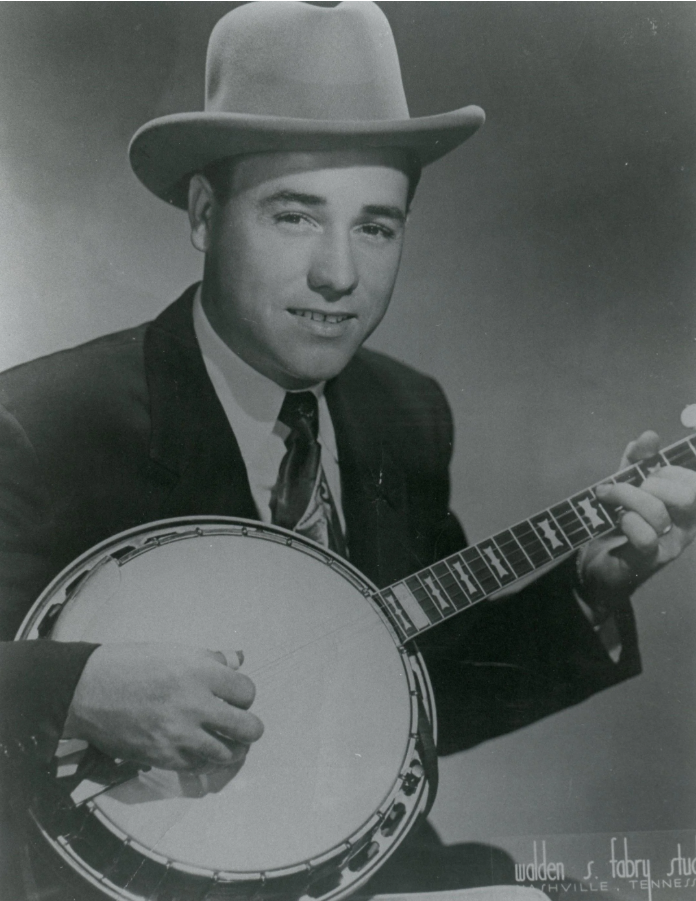
“Iconic image” can be of Earl Scruggs, an ultra famous (white) banjo player who popularized a new style for playing the instrument. We will analyze how Scruggs, along with countless other white American country musicians, have become the face of the banjo despite its origins having been invented by enslaved Africans.
“The Humble Genius Of Earl Scruggs.” Southern Songs and Stories, 2023. https://www.southernsongsandstories.com/blog/2023/1/23/the-humble-genius-of-earl-scruggs
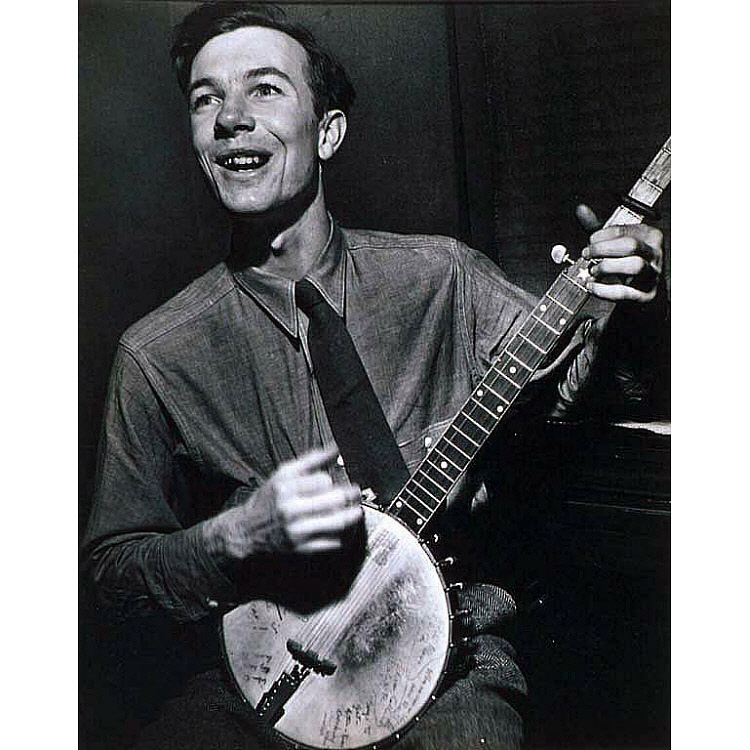
Grossman, Sid. n.d. Pete Seeger Photograph. National Portrait Gallery, Smithsonian Institution. Accessed October 16, 2025. https://www.si.edu/object/pete-seeger:npg_NPG.94.85.
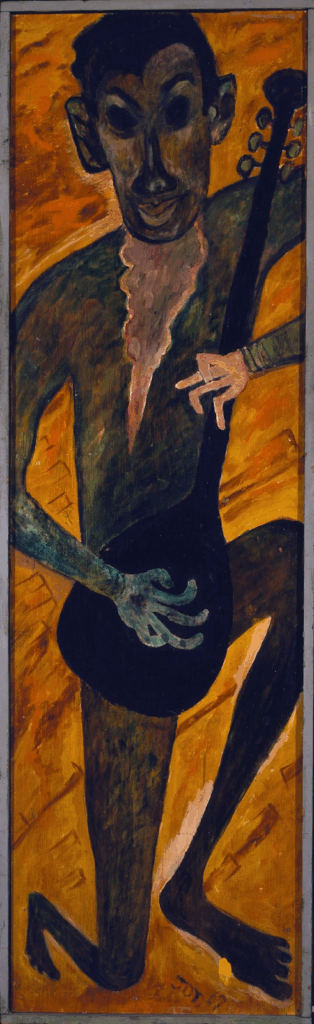
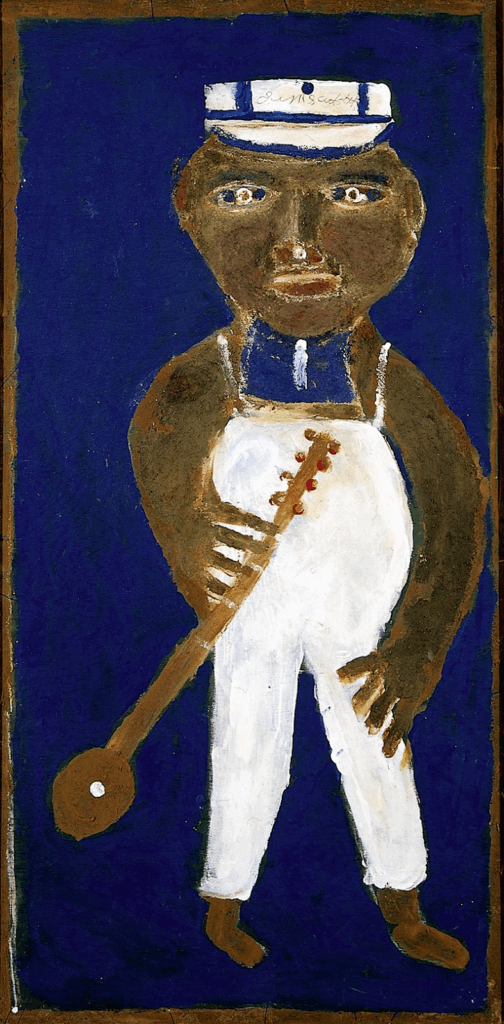
Serl, John. n.d. Male Figure Oil painting on board. Smithsonian American Art Museum, Gift of Herbert Waide Hemphill, Jr. Accessed October 16, 2025. https://www.si.edu/object/male-figure:saam_1998.84.32.
Lee Sudduth, Jimmy. n.d. Self-Portrait with Banjo Mixed media: mud, paint, and vegetable matter on board. Smithsonian American Art Museum Collection. Accessed October 16, 2025. https://www.si.edu/object/self-portrait-banjo:saam_1997.124.40.
Hoddu (Xalam). late 19th century. Wood, skin, L. 48.5 cm; W. 9 cm; H. 8.5 cm. The Metropolitan Museum of Art. Open: The Metropolitan Museum of Art. Artstor. https://jstor.org/stable/community.34719025.
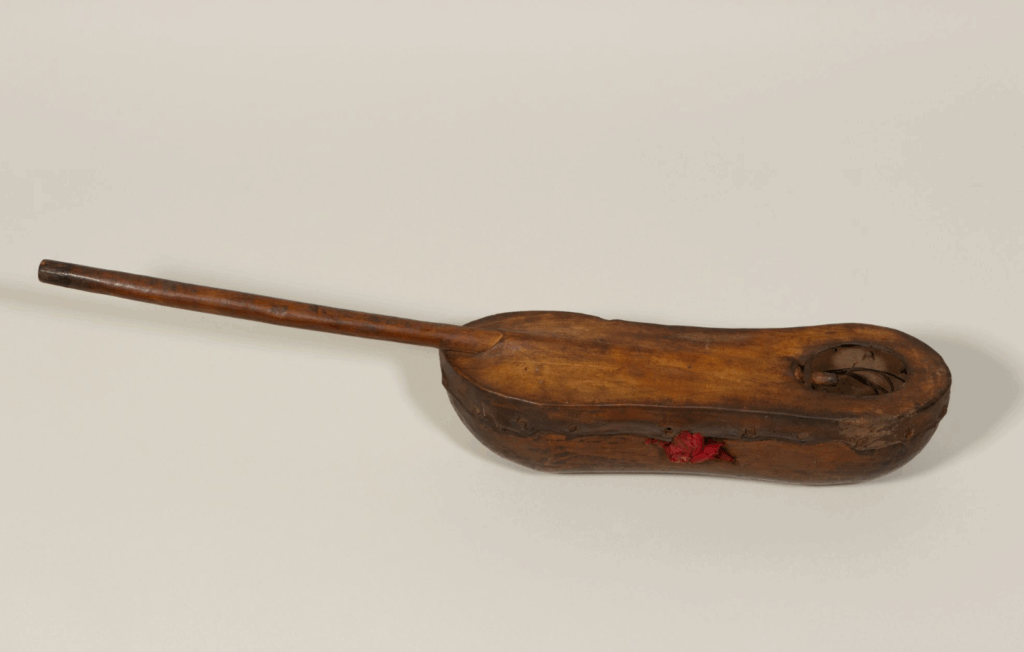
Hoddu (Xalam). late 19th century. Wood, skin, 65cm x 12cm x 15.5cm. The Metropolitan Museum of Art. Open: The Metropolitan Museum of Art. Artstor. https://jstor.org/stable/community.34719026.
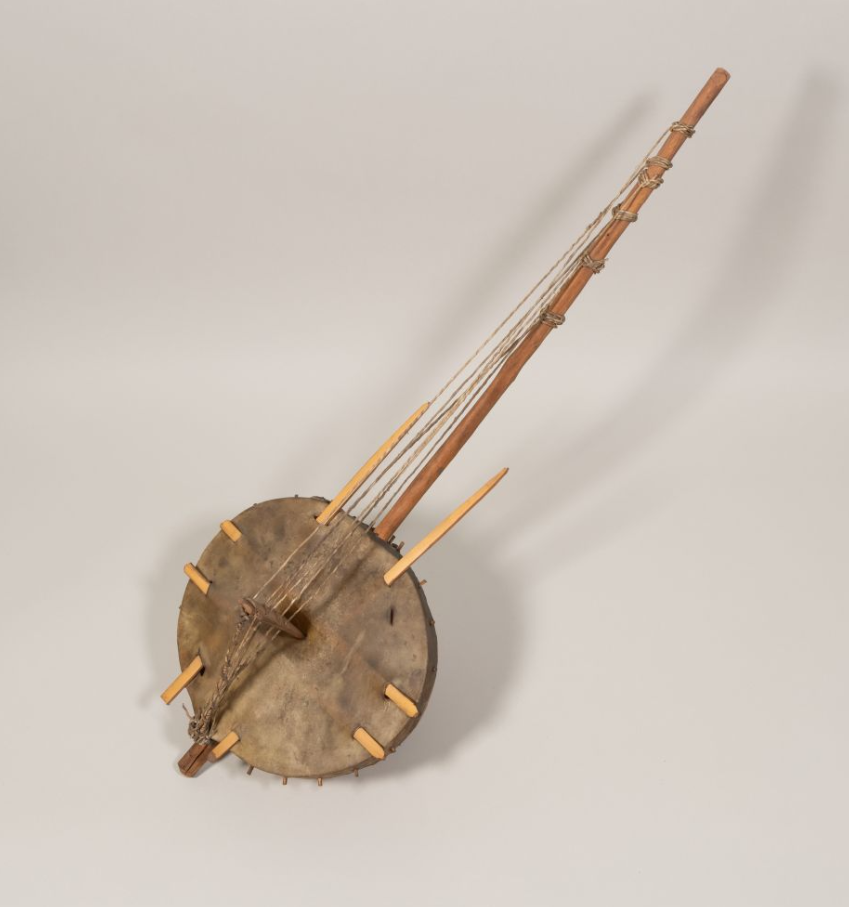
Sora Ngoni (Simbingo). 19th century. Gourd, skin, wood, leather, 88cm x 31cm x 27cm. The Metropolitan Museum of Art. Open: The Metropolitan Museum of Art. Artstor. https://jstor.org/stable/community.27235563.
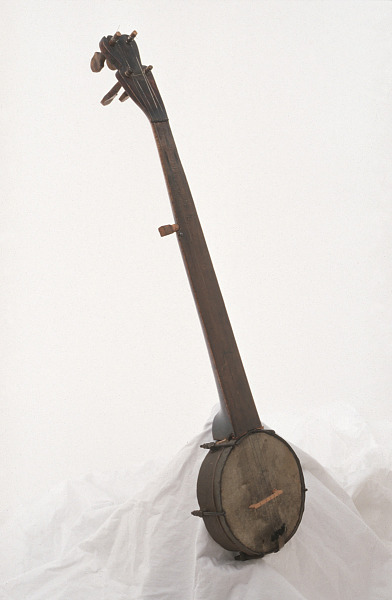
“This banjo was made by an unknown maker in Bristol, Tennessee during the 19th century. It is a Five-String Fretless Banjo. The banjo has a commercial neck cut down and joined to a 4 bracket hoop of welded wrought iron”.
“American Five-String Fretless Banjo | Smithsonian Institution.” 2025. Si.edu. 2025. https://www.si.edu/object/american-five-string-fretless-banjo:nmah_605682.
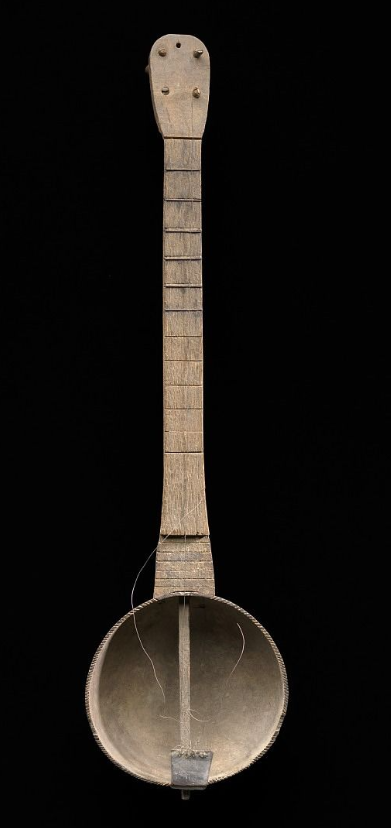
Created by Unidentified. Gourd Head Banjo. ca. 1859. Gourd with wood and metal, H x W x D: 7 × 26 1/2 × 2 1/2 in. (17.8 × 67.3 × 6.4 cm). National Museum of African American History and Culture; Collection of the Smithsonian National Museum of African American History and Culture. https://jstor.org/stable/community.31886663.
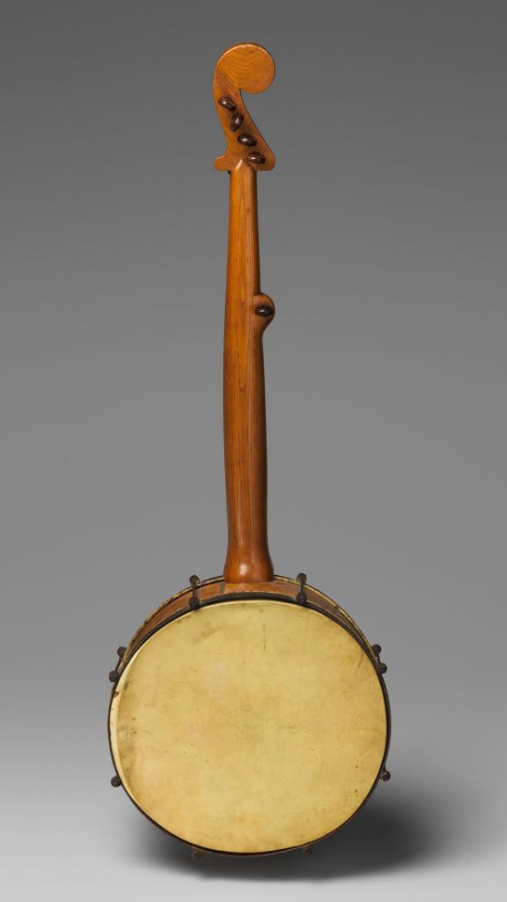
Double Head Fretless Banjo. ca.1850. Various woods, metal hardware, calfskin head, calf gut strings, 41 in. Length x 5 in. Depth x 14 in. Diameter. The Metropolitan Museum of Art. Open: The Metropolitan Museum of Art. Artstor. https://jstor.org/stable/community.39752451.
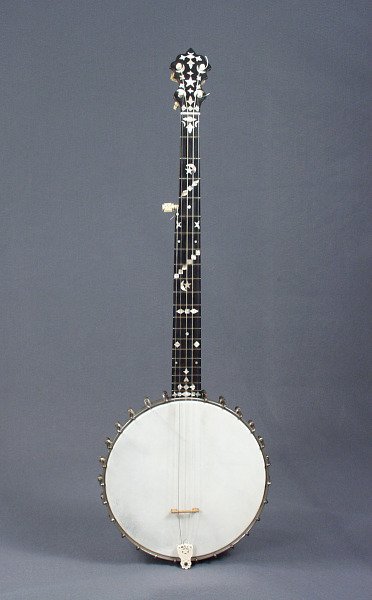
“This banjo was made by Samuel Swain Stewart Co. in Philadelphia, Pennsylvania, about 1889. It is a Five-String Banjo, serial #6682, with a metal-covered wooden hoop, 26 metal brackets, dark wood veneered fretboard and peghead, with shell inlay, rosewood neck, carved heel, and friction pegs.”
“Stewart Five-String Banjo | Smithsonian Institution.” 2025. Si.edu. 2025. https://www.si.edu/object/stewart-five-string-banjo:nmah_605689.
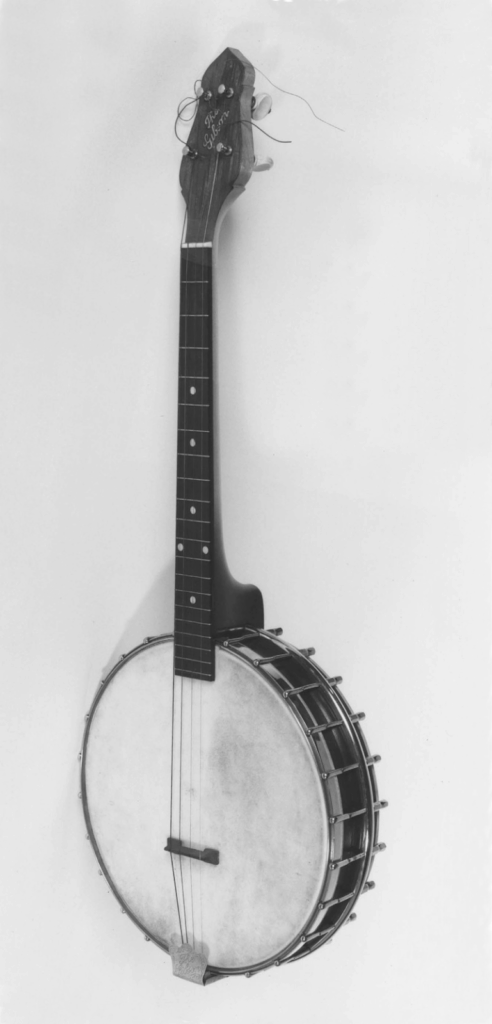
Made in 1923
“Gibson Tenor Banjo | Smithsonian Institution.” 2025. Si.edu. 2025. https://www.si.edu/object/gibson-tenor-banjo:nmah_606326.
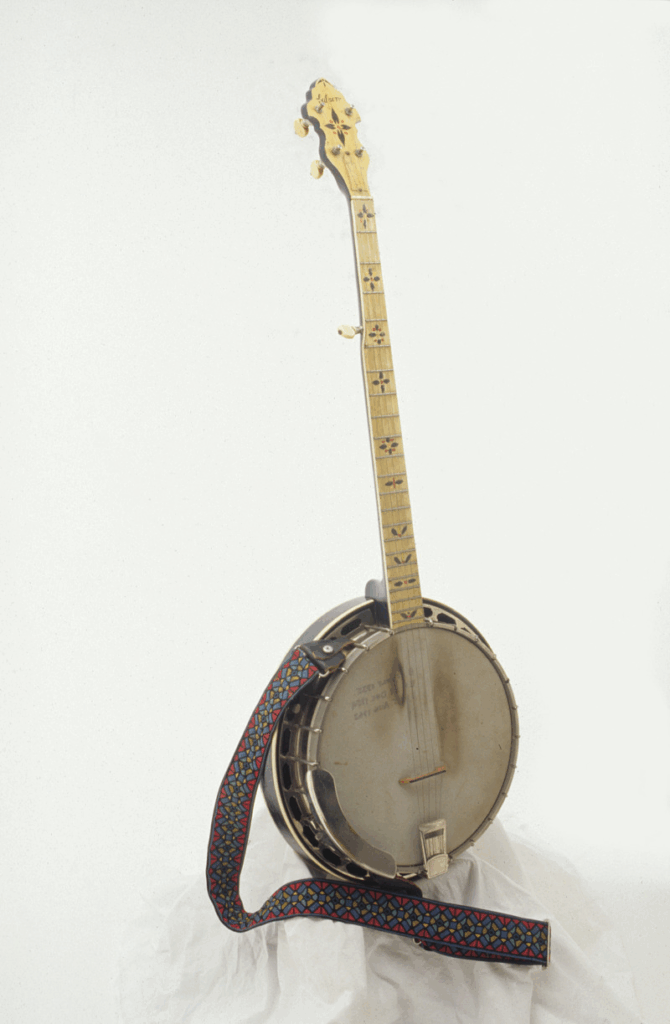
“This banjo was made by Gibson Inc. in Kalamazoo, Michigan around 1935. It is a Five-String Banjo, with 22 frets, 24 brackets, pearloid inlaid on fingerboard and back of resonator, and a maple hoop. In a 1934 Gibson catalog, this “RB-11” style banjo sold for $60.00.”
Gibson Five-String Banjo, Used by Wade Ward | Smithsonian Institution.” 2025. Si.edu. 2025.https://www.si.edu/object/gibson-five-string-banjo-used-wade-ward:nmah_605688.