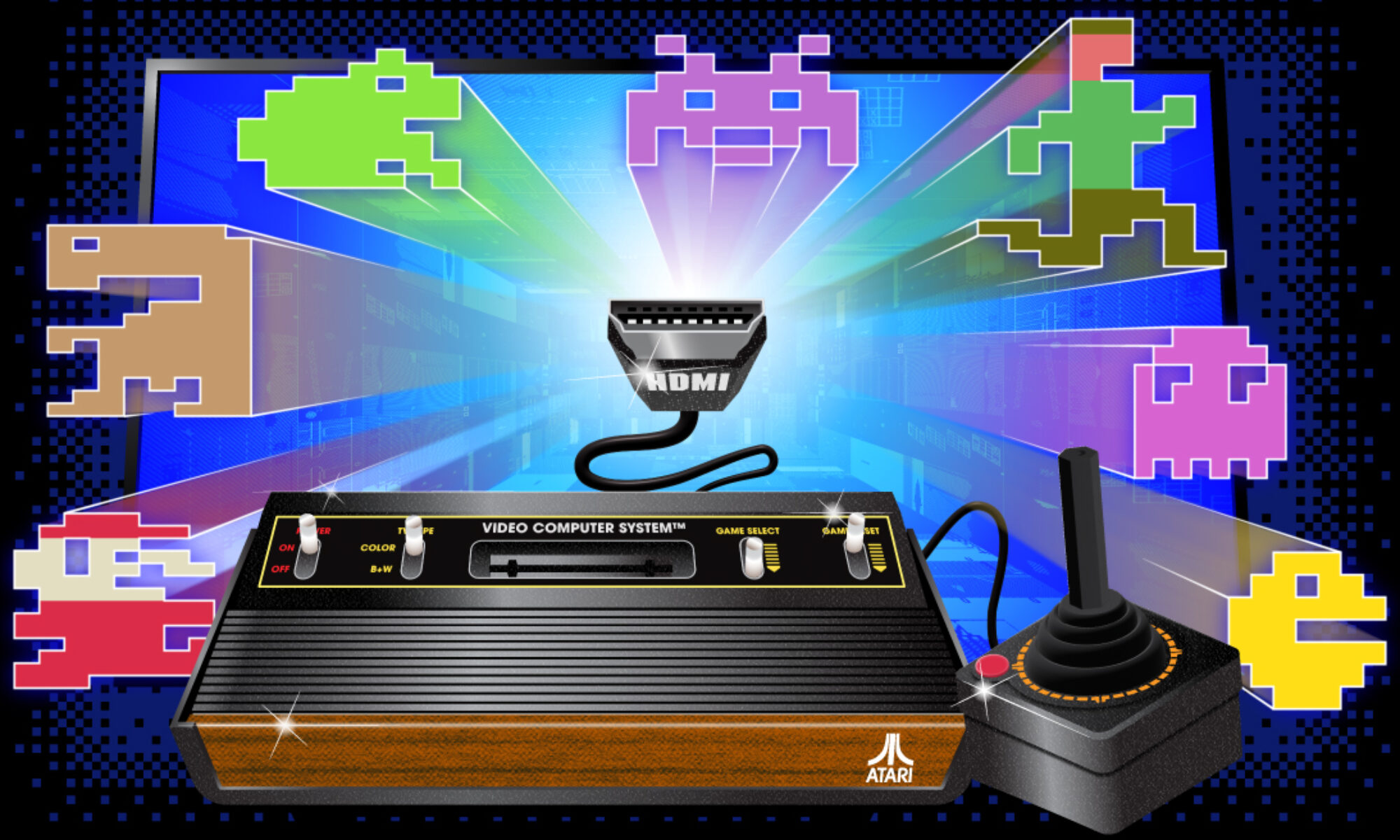
The Atari 2600 dramatically changed American entertainment by bringing arcade-style gaming into the home for the first time on a massive scale. Before Atari, television was something people only watched passively. With this console, it became interactive, families gathered around the TV to play together instead of simply watching it. The Atari 2600 introduced the idea of video games as a regular part of leisure, making them accessible beyond arcades and transforming living rooms into digital play spaces. It also encouraged creativity and innovation in game design, inspiring a new generation of programmers and developers who would go on to shape the video game industry.
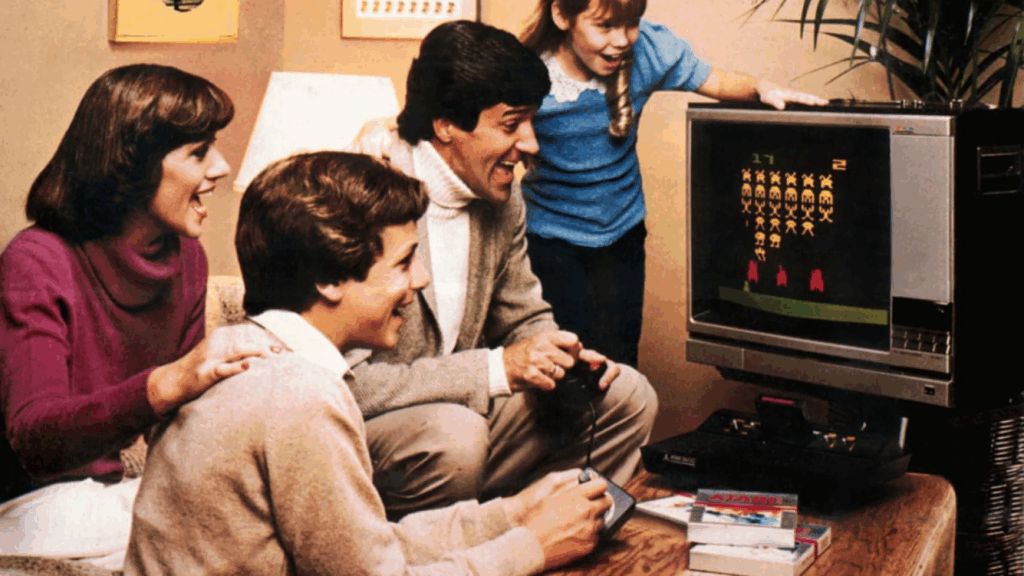
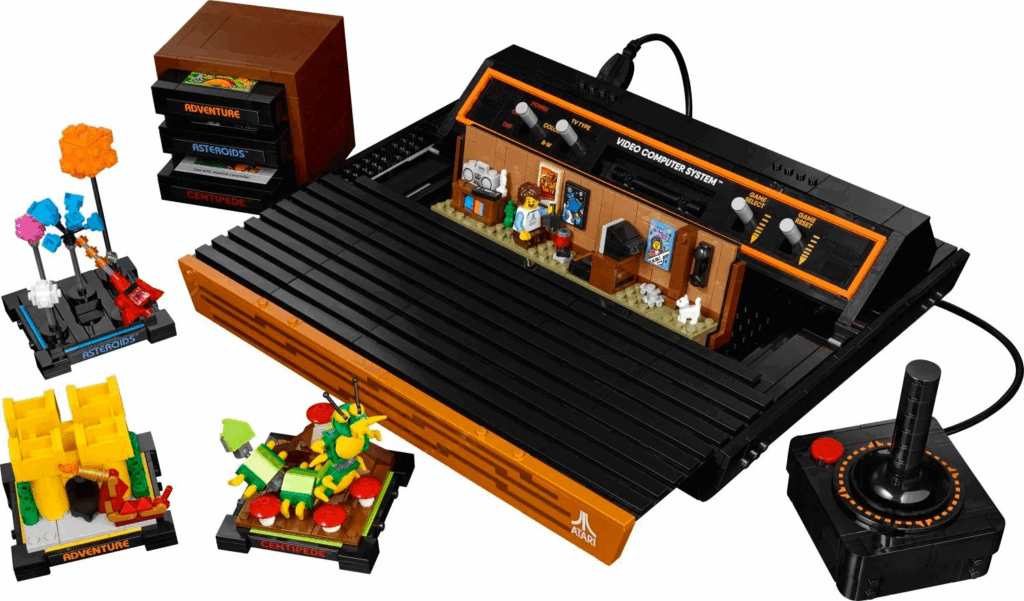
Economically, Atari became one of the fastest-growing companies in America. By the early 1980s, millions of consoles had been sold, and video games had become a multibillion-dollar industry. However, this success was followed by a collapse. Too many low-quality games and rushed releases, including the infamous E.T. the Extra-Terrestrial and poorly received version of Pac-Man, caused consumer trust to fall. By 1983, the video game market crashed, leading to store shelves overflowing with unsold games and many companies shutting down. Despite this crash, the Atari 2600’s legacy survived. It laid the foundation for modern gaming consoles like the Nintendo Entertainment System (NES), Sega Genesis, PlayStation, and Xbox. Today, the Atari 2600 is remembered with nostalgia in pop culture, appearing in TV shows like Stranger Things, recreated as a LEGO set, and preserved in museums. It remains a symbol of the beginning of home gaming and a reminder of how a simple black box with joysticks changed technology, family life, and entertainment forever.
References:
Michael Z. Newman, Atari Age: The Emergence of Video Games in America (Cambridge, MA: MIT Press, 2017), 2-3. -Bill Loguidice and Matt Barton, Vintage Game Consoles (Boca Raton:Focal Press, 2014), 41.
James Fleury, “From Superman to Swordquest: Atari and Early Video Game Labor Exploitation,” The American Journal of Economics and Sociology 83, no. 5 (2024): 955-65.
W. Scott Goldie, Modern Marvels: 70’s Tech, History Vault, 2007.
Goldie, Modern Marvels: 80’s Tech (New York: A&E Television Networks, 2006). Steve Fulton, “The History of Atari: 1971-1977,” Game Developer. Newman, Atari Age, 24-26.
Image Citations:
Lego Group. Atarii® 2600 (Set No. 10306). Billund, Denmark: Lego Group, 2024. https://www.lego.com/en-us/product/atari-2600-10306.
Atari, Inc. “History.” Atari https://atari.com/pages/history