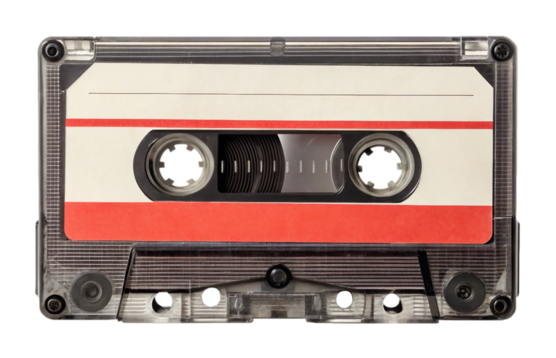
The rise of the internet in the 1990s and 2000s meant that a new landscape to buy, sell, and listen to music opened up. People started experimenting with music downloading and streaming as early as the 1980s. One example is Frank Zappa who sent music over cable networks for consumers to record onto cassettes.1 Another is Jim Griffin who in 1994 gave subscribers of CompuServe the chance to download an Aerosmith track to their computers.2 The issue that initially prevented digital music from taking off was that file sizes for music at the time were far too big for computer hard drives to handle.3
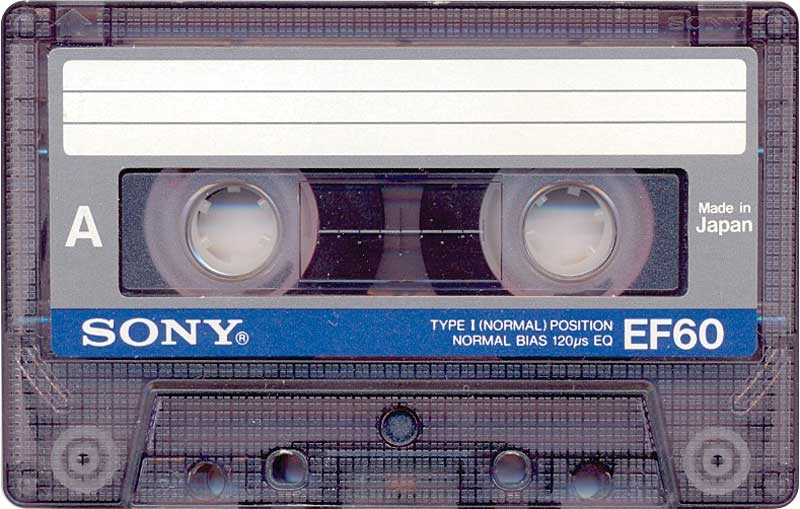
The mission to solve this issue was taken up by a German, Karlheinz Brandenburg, who in 1993 got his algorithm for digital music, the MP3, approved by the Motion Picture Experts Group (MPEG).4 MP3s allowed for mass use of digital music by reducing the size of the file, but to do this, the algorithm removes excess sounds that aren’t as detectable by the human ear compared to louder parts of the track.5 Compared to the compact disc (CD), the MP3 largely reduced the size of music, allowing consumers to store more music than ever before. Consumers could now download music from the internet and even from their own CDs. MP3s were very popular among young people for reasons very similar to why people loved the cassette. You could compile your own set of music personalized to you and take it wherever you wanted to go. The edge MP3s had over cassettes in the 90s and 2000s was that it was easier, could hold more, and, like the CDs, more long-lasting in sound quality compared to the cassette.
- Howie Singer, and Bill Rosenblatt. “Downloads.” In Key Changes. New York: Oxford University Press, 2023. https://doi.org/10.1093/oso/9780197656891.003.0008. ↩︎
- Howie Singer, and Bill Rosenblatt. “Downloads.” In Key Changes. ↩︎
- Howie Singer, and Bill Rosenblatt. “Downloads.” In Key Changes. ↩︎
- Howie Singer, and Bill Rosenblatt. “Downloads.” In Key Changes. ↩︎
- Howie Singer, and Bill Rosenblatt. “Downloads.” In Key Changes. ↩︎
Leave a Reply