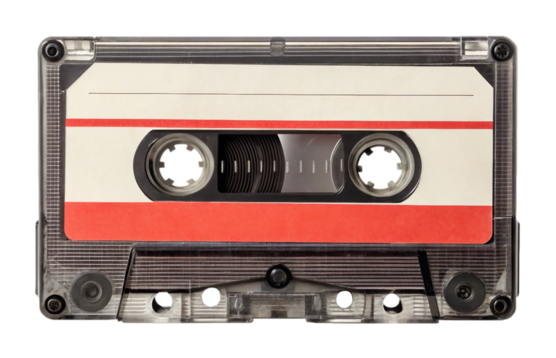
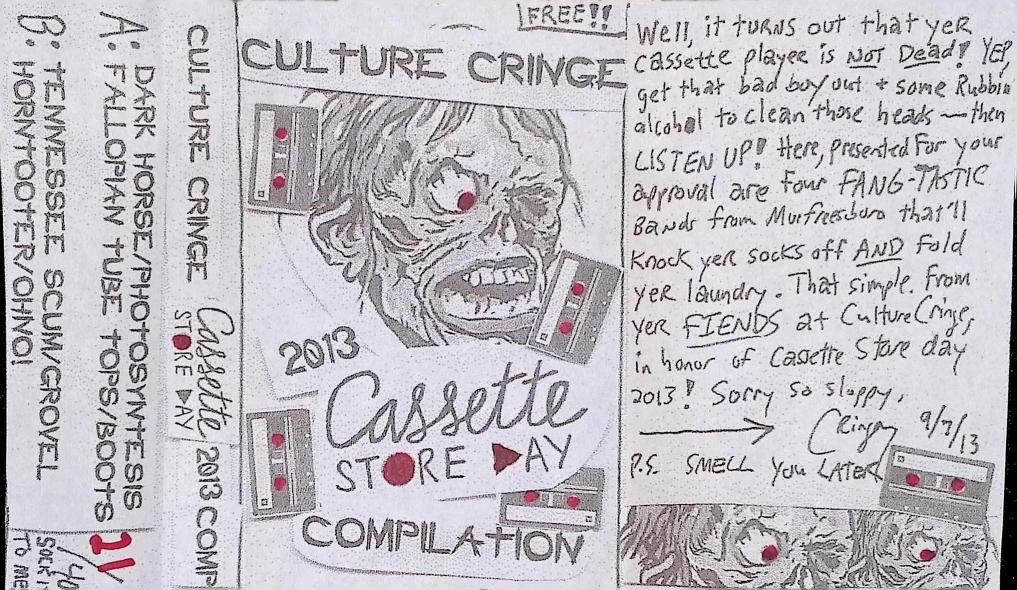
In case you haven’t noticed, young people today have a newfound love for cassettes. Tons of notable artists, like Taylor Swift, Billie Eilish, or Harry Styles, have been releasing some of their most recent albums on cassette, despite the existence of modern alternatives. In an indie-published magazine called Culture Cringe from 2013, we can see the author is encouraging the readers to get out their old cassette players in honor of “Cassette Store Day.”1
Why do young people today, most of which weren’t around for the height of the cassettes popularity in the 1980s, have a love for cassettes? Professor Joanna Demers from the USC’s Thornton School of Music provides one perspective that this revival of cassettes is not one of pure nostalgia, because of course young people weren’t around for cassettes in the ‘80s, but a creation of a fictional nostalgia for creating and experimenting with playlists and mix-tapes.2 There could be many arguments made for why cassettes are experiencing a revival in American music culture, but at the core of this discussion is that fact that cassettes have never really died in the first place. The use of cassettes, whether it’s to share, create, or listen to music, continues to reflect and shape American’s tastes, values, and experiences.
- Culture Cringe. Culture Cringe Cassette Releases. Self-published, 2013. https://archive.org/details/culture-cringe-cassette-releases_202502/page/n5/mode/2up. ↩︎
- Joanna Demers. “Cassette Tape Revival as Creative Anachronism.” Twentieth-Century Music 14, no. 1 (2017): 109–17. https://doi.org/10.1017/S1478572217000093. ↩︎
Leave a Reply