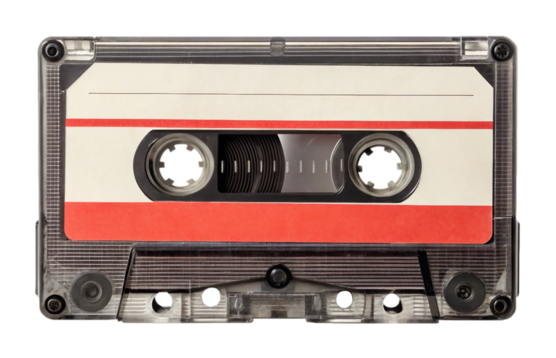
Transcript:
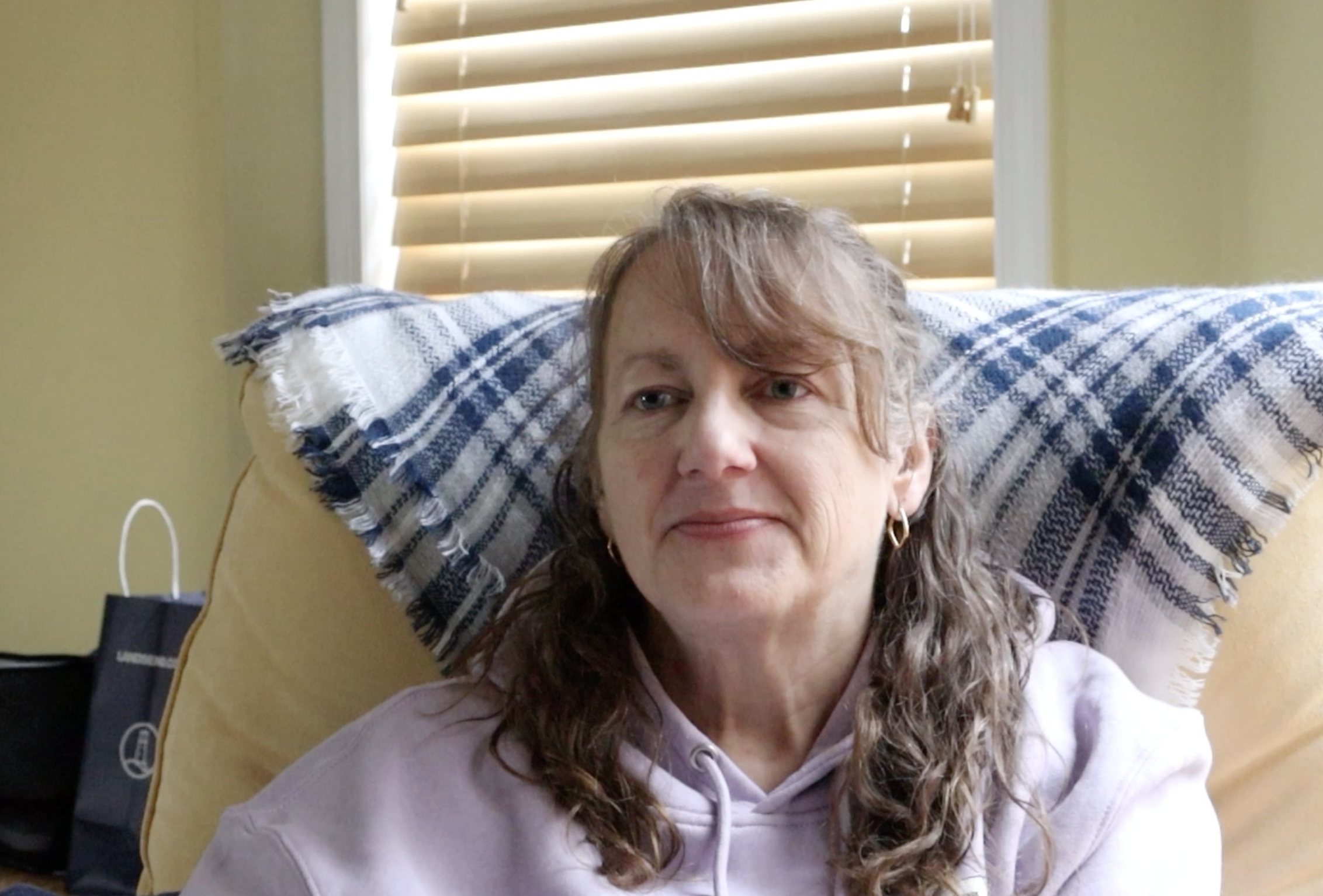
Melissa: Hi! My name is Melissa [Phelps] Firestone
Abby: So a little bit before we get into like the impact of them [cassettes] on your life how did you primarily listen to music before cassettes?
M: Before cassettes I listened to music primarily on the radio or on albums. I didn’t have all that many albums, so it was… I’d say probably 75% radio and 25% albums. We also had some 8-track tapes that my dad had, so some of the music I listened to was on 8-tracks.
A: When you say albums do you mean like vinyl records?
M: Vinyl records, yeah.
A: What kinds of music did you listen to?
M: A wide variety of music. Probably most of the music that I listened to was… if it was my parents it was mostly classical, on the radio I listened to like rock… whatever kind of like… the popular music was on like the mainstream… rock stations at that point in time, and a lot of oldies. So I was a big fan of like The Beatles, the Mamas and Papas and some of the older kind of classic oldies.
A: You say oldies, but the 60s were only like 10 years ago at the time.
M: Well it was oldies to me because I was young. [laughing]
A: Can you name like one specific artist that you listen to all the time albums?
M: The one that I listened to probably the most on vinyl which didn’t fit into the genres I said before was Crystal Gayle because that was my first album that I bought with my own money. So I listened to a lot of Don’t it Make My Brown Eyes Blue and a lot of… kind of the folk country not so much country country, but the folk stuff was most of what I listened to on vinyl.
A: So when cassettes first came out like or became popular, how did they… like what was so special about them?
M: What was special about them was [that] they were more accessible. Albums… vinyl was probably still my favorite because there’s something really special about opening up the vinyl and you have that kind of big layout. But cassettes… you would have like the fold out and so you… it would fold out all of the lyrics that was portable, so it was easy to stick them in your bag and take them and share them with your friends and carry them with you and always have music with you in a way that we couldn’t with vinyl.
A: How were cassettes relevant to you specifically? Like how did they impact how you listened to music?
M: I probably listened to more music. And part of what helped us listen to more music was that we would make mix-tapes. We would sit there and record off of the radio. So we could really get all of our favorite music so there was a large black music [market] for blank tapes and shared tapes, and if someone bought an album they would record it and share it with their friends. And so we had just access to a lot more music than we did before.
A: How did the portability impact usage?
M: That was probably the biggest change, I mean… we really… you know, while we always had the radio didn’t play what we wanted and so once cassettes were really popular, you would take your Walkman everywhere you would always have your own music. Which you know, you’re going on a road trip with your parents, and you could put your headphones on, and you could listen to your own music. But it was also the first time that we had anything other than the radio in the car. So I remember, one of the cars that we bought early 80s came with a cassette player and it came with a cassette tape from Oldsmobile, which was kind of funny because it was whatever music Oldsmobile thought we should listen to in the car. You would go on road trips with your friends, and you could really curate a road trip playlist in a way that we had never been able to before and so that was like really just a huge change for us.
A: If you were going on like, a long road trip, would you have had like 3 cassettes with like… hour long mix-tapes on each?
M: So, every cassette tape was 90 minutes because it was 45 minutes on each side and… you knew exactly how long every single song was, because you would make sure you didn’t lose space on your tapes. But yeah, we would have… you know… you would know where you were going so we would have like the mountain section, and we would have the… Like you would really curate the road trip playlist for the road trip you were taking. And it was… people who did it well, did it really well.
A: Would you say that you did it well?
M: I did it really well, yes. [laughs]
A: At one point you mentioned being able to bring your Walkman and not listen to whatever your parents wanted to listen to in the car. That leads us right into the next question… What was the reaction of older generations? So, your parents, your grandparents, teachers even?
M: I don’t really know… that my parents had a huge reaction to it. I think it was a little bit annoying to them, honestly that we would, you know always have our headphones on, I think some things never change. But I think parents for the last 40 years have had the same issue with their kids. It was… I think… the biggest change was that it meant that we were really listening to different music than our parents had for the first time, and that was very different. My parents were very much classical music people and I… well, I enjoy classical music, but they didn’t really listen to the music that we were listening to. And so I think that was a big change for all of us, in that we were listening to music that our parents weren’t hearing as much. And so I don’t know that they had the reaction to that? But it was definitely a change.
A: What is your favorite memory of cassettes?
M: Ooh, my favorite memory of cassettes. Um… probably making mix-tapes that were very specific to a mood, or to a trip. Um, and I still have some of those mix-tapes, and its actually kind of funny because you’ll hear a certain song and in my head I will hear the next song on that mix-tape even if, it’s you know, it’s a different artist it’s a different thing. And actually passing them on to you has been really fun, and the ability for you to listen to mix-tapes that I made you know, 40 years ago, and for you to enjoy them and say: “oh, that was a really good mix!” like that’s kind of fun.
A: Thank you so much for letting me interview you! Do you have anything else that you would like to add before we turn the camera off?
M: No, I don’t think so. Thank you for the time!
Leave a Reply