Styrofoam Antecedents & Modern Alternatives
History of American Technology
Overview
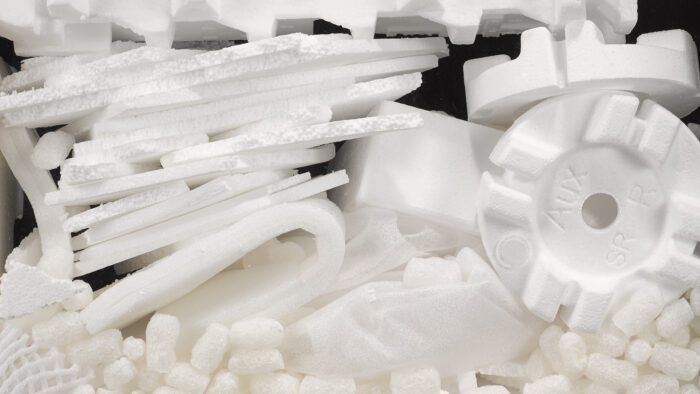
Before the invention of Styrofoam—more accurately Expanded Polystyrene (EPS)—people relied on natural and recycled materials such as straw, wool, sawdust, cotton batting, and paper for insulation and packaging. Each had its uses, but all suffered from major drawbacks in cost, moisture absorption, pest vulnerability, or durability.1
“Alternatives to Styrofoam,” Packaging Guruji, accessed December 1, 2025, https://packagingguruji.com/alternatives-to-styrofoam/
Antecedents (Before Polystyrene Foams)
| Material | Common Uses | Limitations |
|---|---|---|
| Cork | Insulation in buildings; bottle stoppers | Heavy, expensive, limited supply |
| Sawdust | Packing filler; insulation | Absorbs moisture; flammable; decomposes |
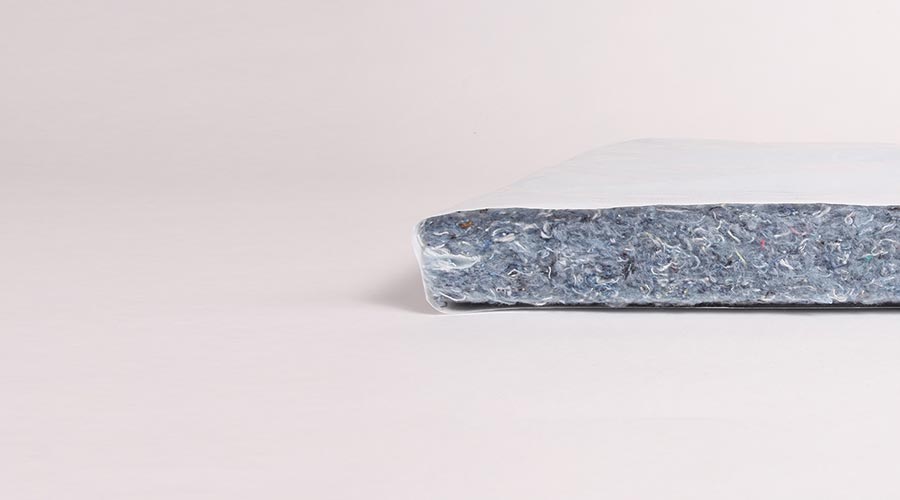
| Wool & Cotton Batting | Thermal insulation in homes and clothing | Prone to pests; absorbs moisture; bulky |
| Paper & Cardboard | Packaging; insulation layers | Weak moisture resistance; compresses easily |
| Straw & Hay | Insulation in rural buildings | Highly flammable; attracts pests |
| Felt & Fabric Scraps | Padding; insulation | Inconsistent quality; not moisture-resistant |
“Insulated Packaging Types Comparison,” IPC Pack, accessed December 1, 2025, https://ipcpack.com/insulated-packaging-types-comparison
Why EPS Displaced These Materials
EPS displaced these materials because it brought together performance qualities no single natural material could match. Its closed-cell structure traps air with exceptional efficiency, giving it thermal insulation superior to wool, cotton, and paper.2 Unlike sawdust, straw, or wool, EPS does not readily absorb water, maintaining insulation performance even in damp conditions.3 EPS is also extraordinarily lightweight—consisting of roughly 95–98 percent air—yet it remains structurally stable, reducing shipping costs while offering reliable protective strength.4 Its impact resistance makes it ideal for cushioning fragile goods, outperforming paper, straw, and sawdust in drop-protection tests.5
EPS manufacturing also expanded rapidly because the material is inexpensive to mold at scale. Steam-expanded beads can be fused into almost any shape, allowing mass production of packaging, insulation boards, flotation devices, and more at relatively low cost.6 Although “Styrofoam” is often used as a generic term, it is actually a Dow Chemical trademark referring specifically to extruded polystyrene (XPS), while EPS is the bead-expanded version used in most packaging and containers.7
Note: “Styrofoam” is a brand name owned by Dow Chemical for XPS (Extruded Polystyrene), while EPS (Expanded Polystyrene) is the bead-expanded version used in most packaging.
What is EPS (Expanded Polystyrene)?
EPS is a rigid, closed-cell plastic foam made by steam-expanding polystyrene beads.
EPS is a rigid, closed-cell foam plastic produced by steam-expanding polystyrene beads. It was invented in 1941 by Ray McIntire of Dow Chemical during experiments seeking a wartime rubber substitute.8 Because it is composed mostly of air, EPS provides excellent insulation, moisture resistance, cushioning, and moldability while remaining inexpensive and lightweight.9
9 Modern Alternatives to Styrofoam
| Alternative | Description / Use | Advantages | Limitations |
|---|---|---|---|
| 1. Molded Fiber / Paper Pulp | Recycled paper trays and inserts | Biodegradable, recyclable | Weak when wet |
| 2. PLA Bioplastic Foam | Made from corn or sugarcane | Compostable, renewable | Sensitive to heat and moisture |
| 3. Mycelium Packaging | Grown from mushroom roots | 100% biodegradable | Slow to produce, limited scale |
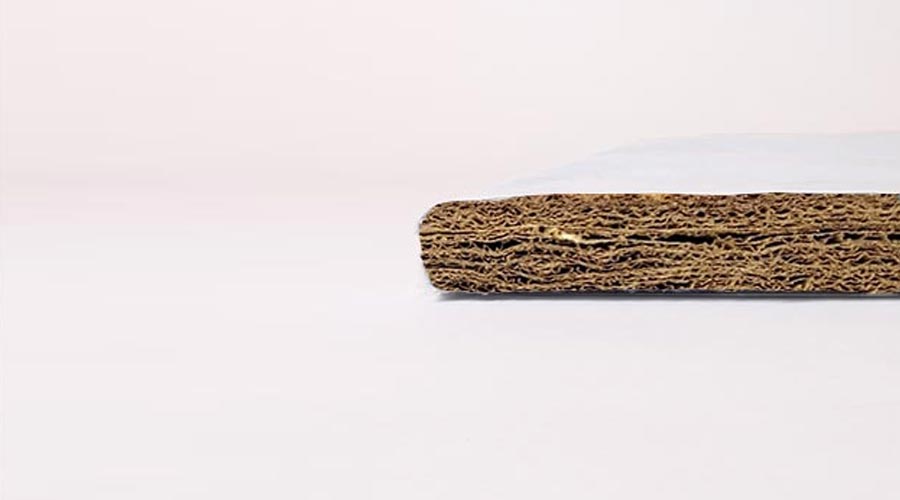
| 4. Corrugated Cardboard | Layered paper for packaging | Recyclable, widely available | Poor moisture resistance |
| 5. Cellulose Wadding | Plant-based insulation | Renewable, compostable | Loses insulation when wet |
| 6. Cornstarch Peanuts | Loose-fill for boxes | Compostable, dissolves in water | Less cushioning for heavy items |
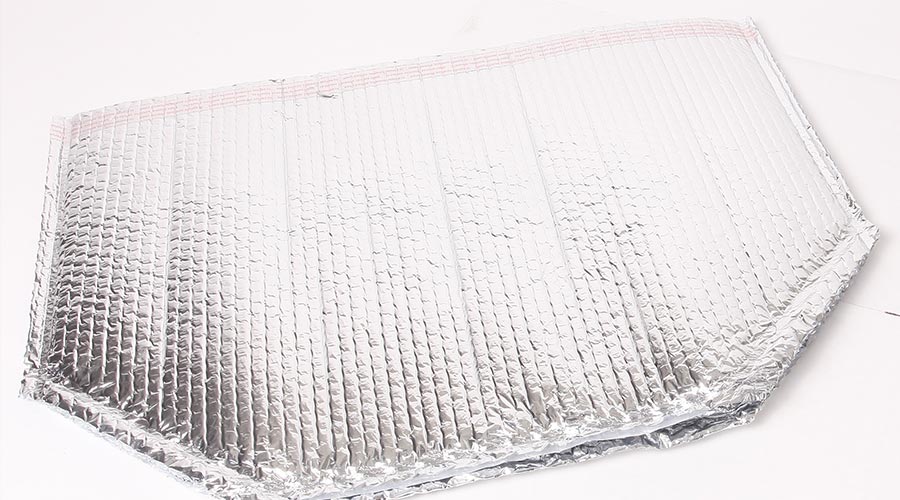
| 7. Air Pillows (Recycled Film) | Inflated plastic cushions | Reusable, lightweight | Still plastic; not biodegradable |
| 8. Wool Insulation | Natural fiber insulation | Excellent thermal and sound performance | Expensive, can attract pests |
| 9. Silica Aerogel | High-tech lightweight foam | Outstanding insulation | Very costly and brittle |
“Insulated Packaging Types Comparison,” IPC Pack, accessed December 1, 2025, https://ipcpack.com/insulated-packaging-types-comparison
“Insulated Packaging Types Comparison,” IPC Pack, accessed December 1, 2025, https://ipcpack.com/insulated-packaging-types-comparison
In summary:
Styrofoam (EPS) succeeded because it combined traits no single natural material could offer—lightweight strength, insulation, moisture resistance, and low cost.
Today, environmental awareness drives innovation in bio-based foams and recycled alternatives that seek to match Styrofoam’s performance without its ecological drawbacks.
Footnotes
- U.S. Forest Products Laboratory, Traditional Insulation Materials in American Construction (Madison, WI: U.S. Department of Agriculture, Forest Service), discussing historical use and limitations of straw, wool, paper, cotton, and sawdust.
- U.S. Department of Energy, Office of Energy Efficiency & Renewable Energy, “Insulation Materials: Polystyrene Foam,” which details EPS closed-cell structure and thermal performance.
- ASTM International, ASTM C578: Standard Specification for Rigid, Cellular Polystyrene Thermal Insulation (West Conshohocken, PA: ASTM International), which includes EPS water-absorption limits and moisture-resistance characteristics.
- Dow Chemical Company, “The History of Styrofoam™,” Dow Corporate Archives, Midland, MI, confirming EPS’s 95–98% air content and lightweight structure.
- U.S. Environmental Protection Agency, Office of Resource Conservation, Packing and Cushioning Materials: Properties and Uses, reporting EPS shock-absorption performance in comparison to natural and paper-based materials.
- American Chemistry Council, Expanded Polystyrene (EPS) Technical Overview (Washington, D.C.: ACC Plastics Division), detailing scalability, molding processes, and low-cost manufacturing.
- Dow Chemical Company, “Styrofoam™ Brand FAQs,” Dow Corporate Communications, clarifying trademarked XPS vs. EPS bead-foam.
- Ray McIntire, “Development of Foamed Polystyrene,” Dow Engineering Notes (1941), Dow Company Archives.
- Plastics Industry Association (PLASTICS), U.S. Polystyrene Manufacturing and Applications (Washington, D.C.), on EPS’s air content, insulation, cushioning ability, and cost-effectiveness.