Expanded polystyrene does not biodegrade.
For decades, expanded polystyrene, what we call Styrofoam, was a symbol of convenience. Lightweight, cheap, and everywhere. There’s more here than meets the eye. EPS ends up in our environment, in our oceans and in our bodies. What is known is that the environmental impact of this pronouncer is far far far bigger than its footprint.1
1. EPS Never Disappears
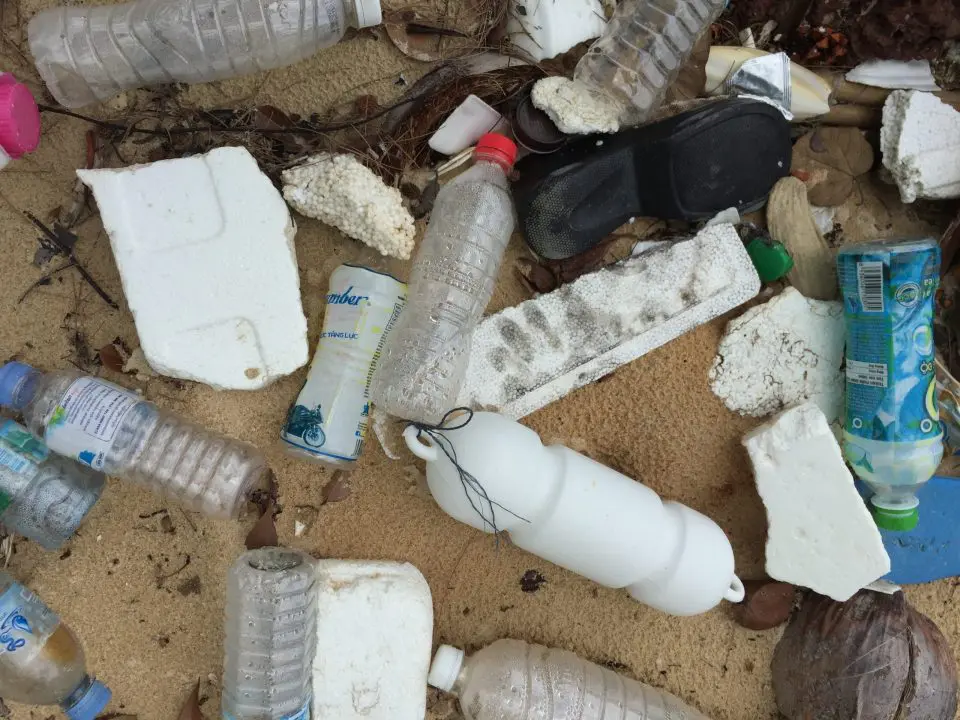
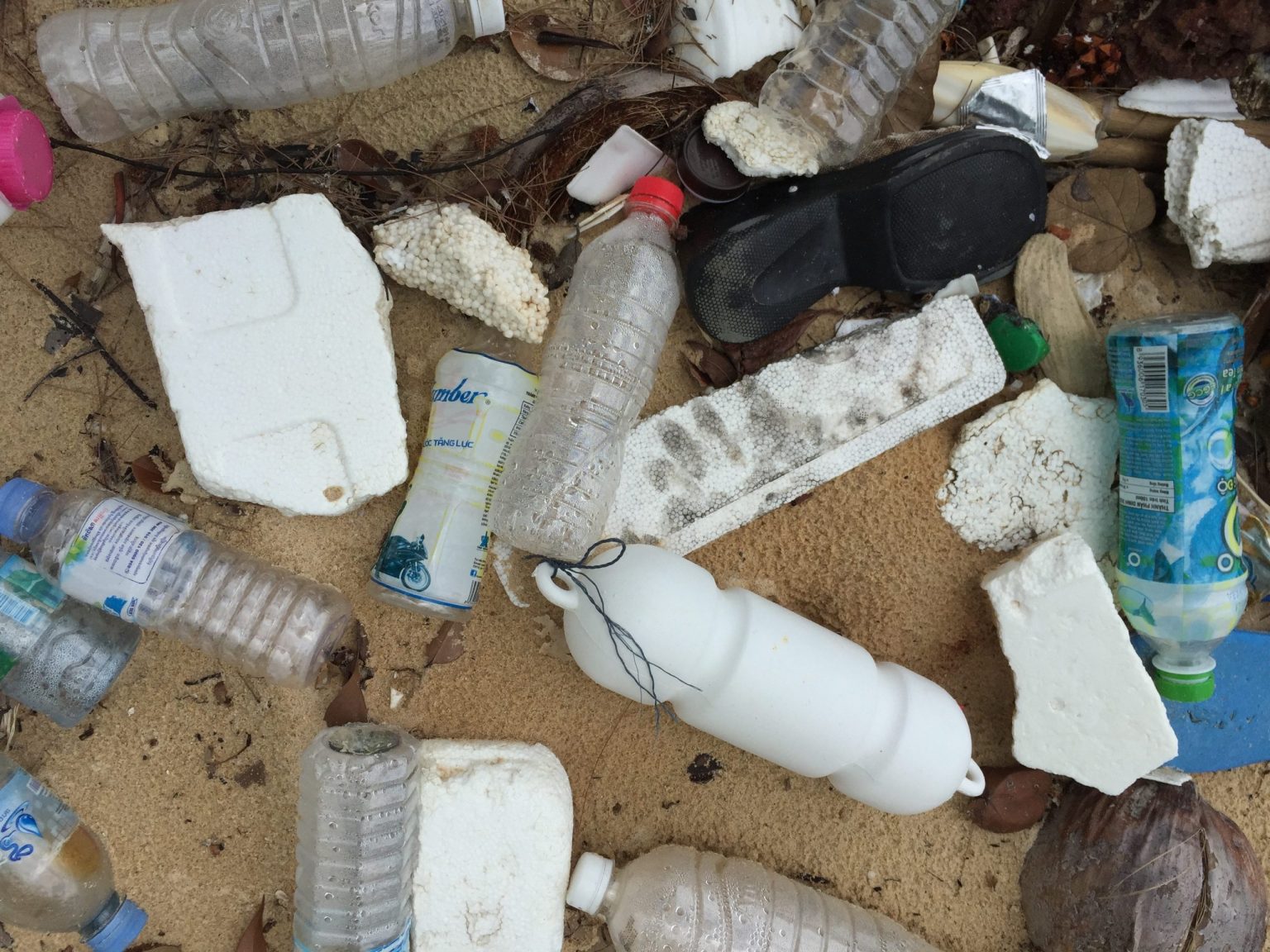
Polystyrene does not biodegrade. Instead, it breaks into progressively smaller fragments, contributing to the global rise of microplastics.2 Sunlight, wind, and wave action cause EPS to fracture into particles that travel across ocean systems.3 Marine animals frequently ingest these fragments, mistaking them for food. Because plastics cannot be digested, they accumulate in the digestive tract, often leading to starvation; additionally, repeated exposure to the chemicals within plastics poses toxic risks.4
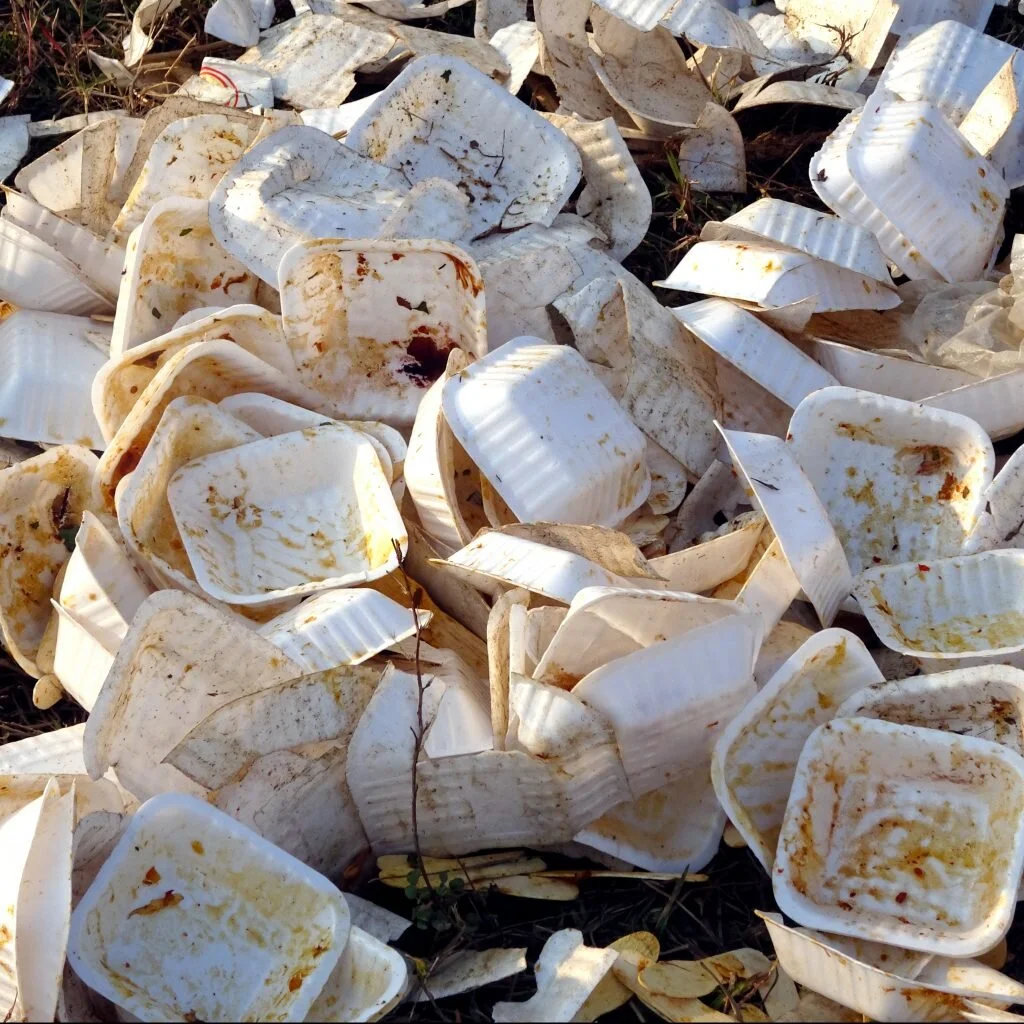
2. EPS Is Easily Turned Into Litter
Because EPS is extremely lightweight, it is easily carried by wind and stormwater. A takeout container can be blown from a trash can to a curb, a picnic plate from a park into a river, or a foam cup from an urban street into coastal waters.5 Rivers are a major pathway through which EPS fragments and “nurdles” (pellets used to make plastics) enter the ocean.6 EPS floats, enabling it to travel long distances and disperse widely.7
3. Recycling EPS Isn’t Practical — And Rarely Happens
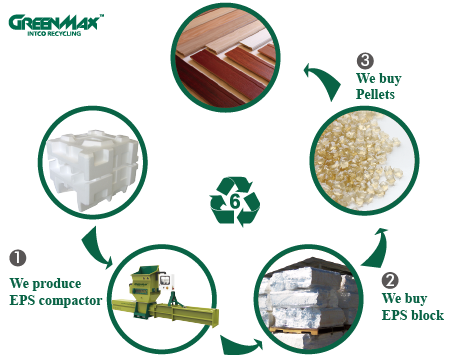
Although EPS is technically recyclable, in practice it is almost never recycled due to contamination, additives, and cost.8 Chemical and physical additives used in manufacturing create complex mixtures that are difficult to process economically.9 Regenyx — a major U.S. chemical recycling venture for polystyrene — ceased operations in early 2024 after producing nearly a ton of hazardous waste for every ton of recovered styrene, underscoring the unsustainable nature of such recycling systems.10
4. The Health Risks Are Real
Styrene, a primary component of polystyrene, is classified by federal health agencies as “reasonably anticipated to be a human carcinogen.”11 Human studies associate styrene exposure with visual disturbances, hearing problems, impaired memory and concentration, and damage to the nervous system.12 Occupational exposure carries even greater risks.13 EPS food containers can also leach small amounts of styrene—especially when holding hot liquids or foods.14

5. EPS Is a Ubiquitous Plastic with Deep Environmental Impacts
EPS is easily transported and widely dispersed, often ending up far from where it entered the environment.15 Polystyrene nurdles contribute to global microplastic pollution and can leach harmful chemicals into soil and waterways.16 The reality is that EPS is lightweight but long-lasting, filling landfills, clogging waterways, and introducing unnecessary chemical risk into food systems.17 Many U.S. states have begun phasing out single-use EPS, recognizing that reducing its use is a matter of environmental necessity.18
Footnotes
- U.S. Environmental Protection Agency, Understanding the Global Plastics Problem, Office of Water (Washington, D.C.).
- EPA, Advancing Sustainable Materials Management: Facts and Figures, 2023 Report.
- National Oceanic and Atmospheric Administration (NOAA), Marine Debris Program: Microplastics and Fragmentation, Silver Spring, MD.
- NOAA, Impacts of Marine Debris on Wildlife, Marine Debris Research Division.
- EPA, Stormwater and Litter Transport Pathways, Office of Water.
- NOAA, Rivers as Major Pathways for Marine Debris, Marine Debris Program.
- NOAA, Buoyancy and Transport Characteristics of Plastics in Marine Environments.
- EPA, Recycling Economic Information (REI) Report: Plastics and EPS Limitations.
- American Chemistry Council, Polystyrene and Additives: Challenges in Recycling.
- Oregon Department of Environmental Quality, Regenyx Chemical Recycling Closure Summary, 2024.
- National Toxicology Program (NTP), Report on Carcinogens, 15th Edition, Entry for Styrene.
- Agency for Toxic Substances and Disease Registry (ATSDR), Toxicological Profile for Styrene, U.S. Department of Health and Human Services.
- National Institute for Occupational Safety and Health (NIOSH), Styrene Occupational Exposure Guidelines, CDC.
- Food and Drug Administration (FDA), Food Contact Substances: Polystyrene Migration Considerations.
- NOAA, Transport and Fate of Marine Debris, Marine Debris Program.
- EPA, Microplastics in Soil and Water: Emerging Concerns, Office of Research and Development.
- EPA, Plastics: Materials, Waste, and Environmental Impact, Office of Land and Emergency Management.
- National Conference of State Legislatures (NCSL), State Policies on Single-Use Polystyrene Bans, updated 2024.