Invention & Adoption
-Berlin pharmacist Eduard Simon isolated a substance he named styrol. Becoming the first recorded synthesis of polystyrene. Laying the groundwork for future innovations in plastics.
-The original method for creating foam polystyrene was developed in Sweden in the 1930s by Carl Munters.
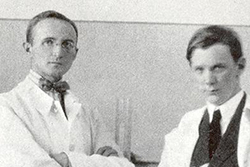
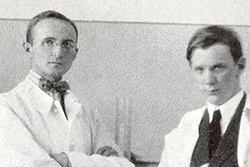
-The refinement and commercialization of the material happened in Midland, Michigan, at Dow Chemical in the United States during the early 1940s.
Why It Was Invented:
-Munters’ goal was to create a lightweight, insulating material that could be used in construction and refrigeration. His method involved expanding polystyrene using a blowing agent to form a closed-cell foam.
-McIntire’s discovery. During World War II, Dow Chemical was searching for alternatives to rubber, which was in short supply. In 1941, Otis Ray McIntire was experimenting with styrene and isobutylene to create a flexible insulator. He accidentally produced a foam that was extremely light, moisture-resistant, and buoyant.

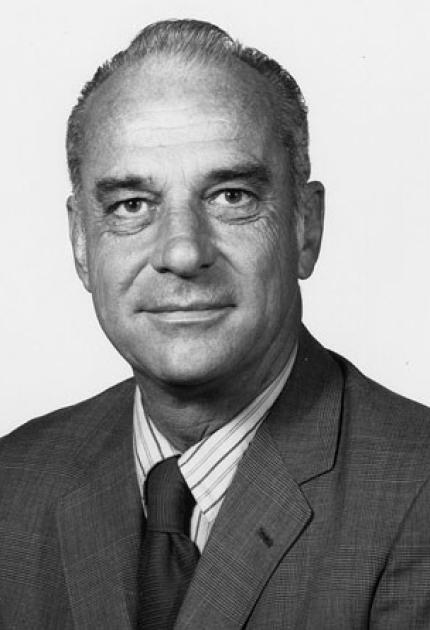
-Dow Chemical recognized the synergy between McIntire’s foam and Munters’ patented method. They acquired rights to Munters’ process and began producing the material under the trademark STYROFOAM™ in 1944.
-The product was initially used for military insulation and flotation devices, then expanded into construction, packaging, and marine applications due to its unique properties.
Adoption
Dow licensed the foam polystyrene process from Swedish inventor Carl Munters, combining it with McIntire’s discovery to create a scalable product.
Dow trademarked STYROFOAM and began producing it for military insulation, life rafts, and building materials.
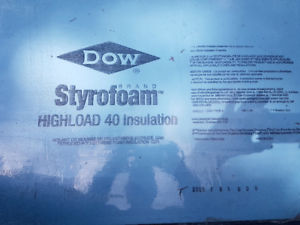
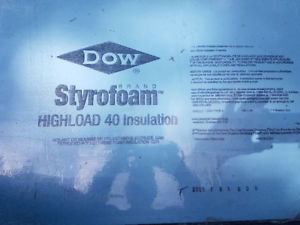
Versatility Across Industries:
-Used in construction as thermal insulation (especially in walls, roofs, and foundations).
-Adopted in marine applications like floating docks and buoys.
-Expanded into packaging for electronics and fragile goods due to its shock-absorbing properties.
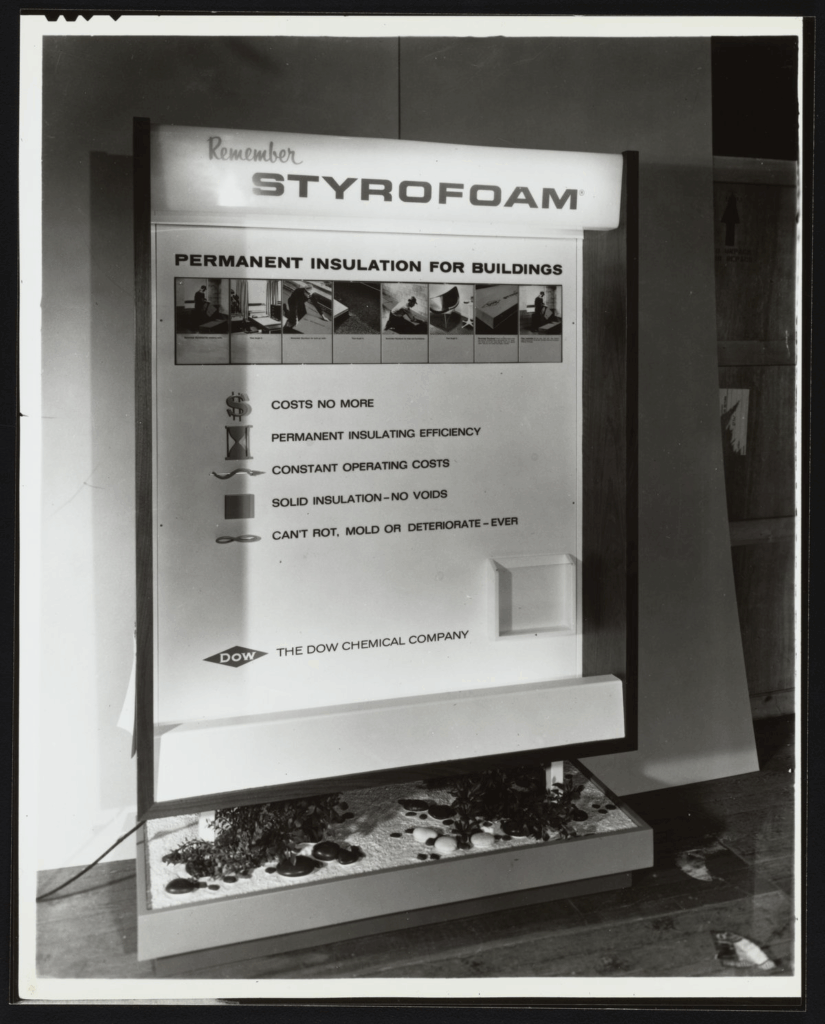
Post-War, in the 1950s, Styrofoam was marketed as a solution for energy-efficient housing. Its insulating properties made it a staple in the growing suburban construction market.
Dow’s Marketing and Distribution: Dow aggressively promoted Styrofoam as a superior alternative to traditional insulation. Its distinctive blueboard became a recognizable product in hardware stores and construction sites.
By the 1970s, Styrofoam was also used in arts and crafts, especially the green foam blocks for floral arrangements.
It was cheaper to produce and transport than many alternatives.
Resistant to moisture, mold, and decay.
(Brand Recognition) “Styrofoam” became a generic term for foam packaging, even though most food containers are technically made from expanded polystyrene (EPS), not the branded Styrofoam.