Economic Impact
The Expanded Polystyrene (EPS) market is expected to experience steady growth, driven by rising demand in sectors such as construction, packaging, automotive, and consumer goods. Its lightweight nature, excellent thermal insulation, impact resistance, and moisture resistance make it a preferred material for energy-efficient buildings, protective packaging, and durable components.1 In construction, EPS contributes to enhanced energy conservation and cost savings, while in packaging, it ensures product safety during transportation.2 The market is further influenced by advancements in recycling technologies, increasing emphasis on sustainable building materials, and stricter energy-efficiency regulations across developed and emerging economies.3 Polystyrene’s economic impact remains significant. In 2024, the expanded polystyrene market in North America was valued at $17.82 billion, with projections reaching $29.04 billion by 2033.4 Its uses extend across construction, packaging, automotive, and consumer goods, where it contributes to cost savings and improved energy performance.5
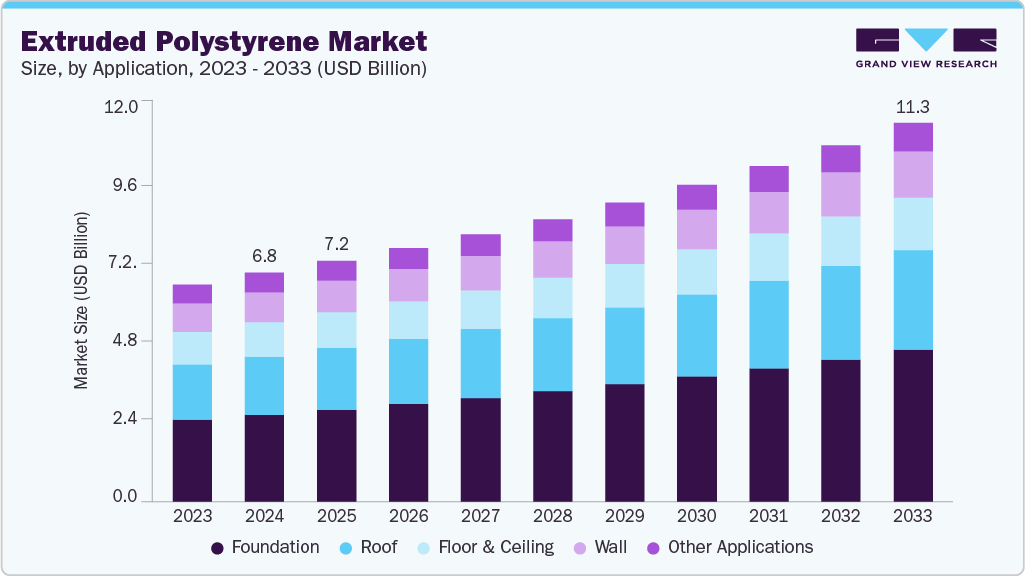
Grand View Research, “Extruded Polystyrene (XPS) Market Report,” accessed December 1, 2025, https://www.grandviewresearch.com/industry-analysis/extruded-polystyrene-xps-market-report
Military Impact
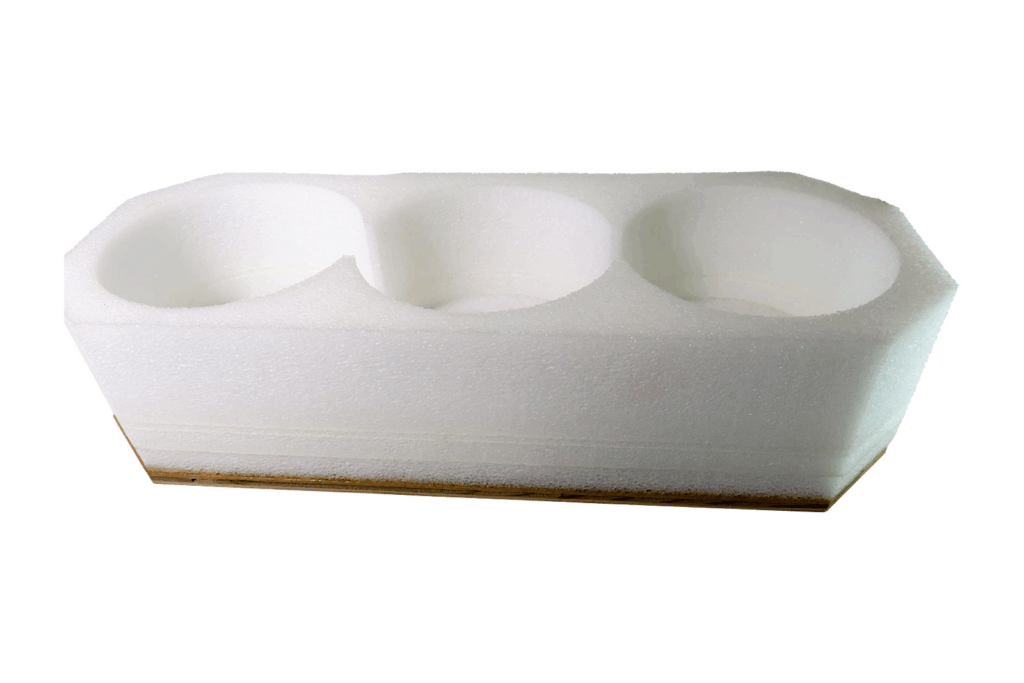
One of the most common applications for foam in personal protective equipment (PPE) is in helmets. Helmets can be made from a variety of materials, but most often they are made from polyethylene or ABS plastic. To protect the helmet from damage, it is commonly lined with foam. This helps absorb shocks or impacts that could potentially damage the helmet and gives troops a better chance of returning home safely.6 Foam is also used within body-armor vests to protect soldiers’ chests, shoulders, and backs from shrapnel or debris—the same principle that applies to helmet liners, where energy-absorbing foam reduces the likelihood of serious injury.7 In addition to protection, foam is widely used to safeguard military equipment during transport. While cardboard crates are common, foam inserts provide critical shock absorption for weapons, electronics, navigational tools, and replacement supplies shipped overseas.8 In the military, foam has long been used to protect equipment in transit and to enhance personal protective gear, including helmets and ballistic vests. Its impact-absorbing and insulating qualities make it indispensable in both combat and logistics.9
Culture Impact
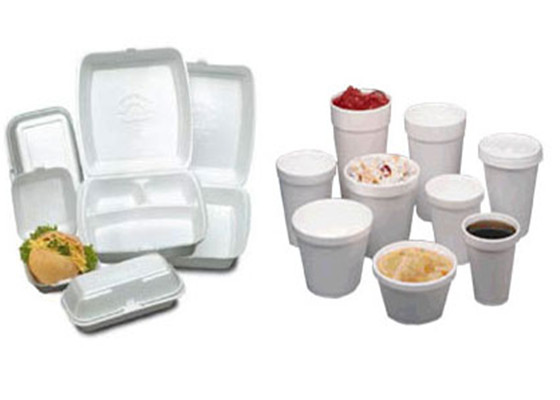
Culturally, Styrofoam became woven into American daily life. From the mid-century diner coffee cup to the modern shipping box for electronics, polystyrene shaped expectations of convenience, safety, and disposability.10 It also influenced art and craft, becoming a common material for hobbyists, theatrical set designers, and educators due to its low cost, light weight, and ease of shaping.11
Footnotes
- U.S. Department of Energy, Office of Energy Efficiency & Renewable Energy, “Insulation Materials: Polystyrene Foam,” accessed December 1, 2025.
- U.S. Environmental Protection Agency, Office of Resource Conservation, Packing and Cushioning Materials: Properties and Uses.
- American Chemistry Council, Expanded Polystyrene (EPS): Sustainability and Recycling Developments (Washington, D.C.).
- Grand View Research, Expanded Polystyrene (EPS) Market Report, accessed December 1, 2025.
- Plastics Industry Association, Polystyrene Applications and Market Overview (Washington, D.C.).
- Altamax, “Packaging Foam: A Military Essential,” accessed December 1, 2025, https://www.altamax.net/packaging-foam-a-military-essential.
- Ibid.
- Ibid.
- U.S. Army Natick Soldier Systems Center, Materials Used in Soldier Protective Systems (Natick, MA: U.S. Army Research Development and Engineering Command).
- Dow Chemical Company, “History of Styrofoam™,” Dow Corporate Archives, Midland, MI.
- Science History Institute, Polystyrene in Postwar American Culture, Philadelphia, PA.